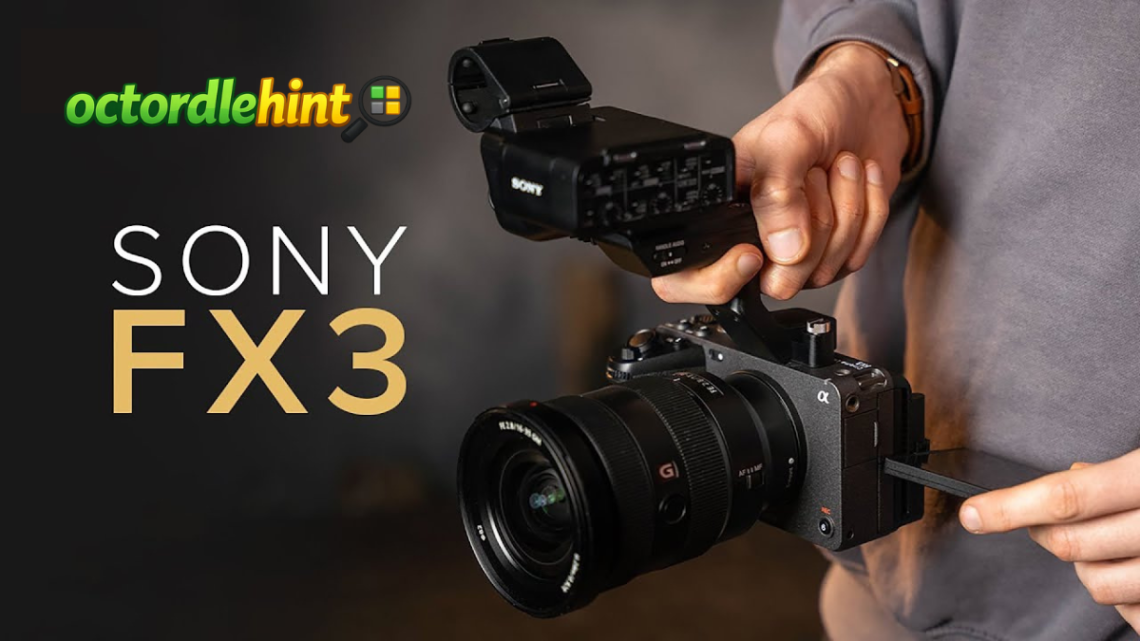
The Sony FX3 has quickly emerged as a groundbreaking tool in the world of digital filmmaking. Designed to merge cinematic quality with compact portability, this full-frame camera is aimed at professional videographers, content creators, and ambitious indie filmmakers. Unlike traditional cinema cameras, the FX3 is tailored for versatility, offering advanced features without compromising mobility. Its compact design makes it easy to carry on location, yet it delivers image quality and performance that rival larger, more expensive cinema cameras.
For filmmakers, having a camera that balances technical excellence with ease of use can be transformative. The FX3 provides 4K recording at multiple frame rates, impressive low-light performance, and a wide dynamic range. It also integrates well with other Sony equipment, making it a practical choice for creators already invested in the Sony ecosystem. Whether shooting a short film, a YouTube video, or a live event, the FX3’s features are designed to elevate the visual narrative. This guide dives deep into the Sony FX3, exploring its key specifications, practical applications, tips, and comparisons with competitors. By the end, you’ll understand why this camera is becoming a favourite for both professionals and enthusiasts.
Sony FX3 Overview and Key Features
The Sony FX3 distinguishes itself with a sleek, compact body that is both lightweight and durable. Weighing just under a kilogram, it can easily be mounted on gimbals, drones, or handheld rigs, giving filmmakers immense flexibility. Despite its size, the FX3 is built for serious cinematic work, housing a full-frame 10.2MP Exmor R CMOS sensor that captures stunning detail, even in low-light scenarios. Its back-illuminated design enhances light sensitivity, producing clean images without excessive noise.
Autofocus is another standout feature. Sony’s Fast Hybrid AF system offers 627 phase-detection points covering almost the entire frame, ensuring accurate tracking of subjects in motion. The camera also includes real-time Eye AF for humans and animals, making it ideal for narrative filmmaking or documentary work. Coupled with in-body image stabilization (IBIS), the FX3 produces smooth, professional-quality footage even in challenging handheld shooting situations.
Video capabilities are where the FX3 truly shines. It supports 4K recording up to 120fps with full pixel readout and no binning, delivering cinematic footage with impressive detail and colour depth. The S-Cinetone colour profile offers rich, film-like tones straight out of the camera, reducing the need for heavy post-processing. Additional features such as dual card slots, multiple audio input options, and a vari-angle LCD touchscreen make the FX3 highly adaptable for a variety of production environments.
Sony FX3 Specs, Price, and Availability
Technically, the Sony FX3 is built for performance. Its specifications include a full-frame 10.2MP sensor, 4K recording at up to 120fps, ISO range of 80–409,600, and 16-bit RAW output via HDMI. The camera offers both XAVC S and XAVC HS recording formats, providing filmmakers with flexible workflows. The IBIS system offers up to 5.5 stops of shake compensation, which, combined with advanced autofocus, makes handheld shooting far more manageable. The FX3 also supports S-Log3 and HLG (Hybrid Log-Gamma) profiles for enhanced post-production flexibility.
Pricing varies depending on region, but as of 2026, the FX3 is generally positioned around the premium professional cinema camera segment. In the UK, prices typically range from £3,800 to £4,200, while in the US it hovers around $3,900–$4,200. Despite being more expensive than consumer cameras, the FX3’s combination of cinematic capabilities and portability makes it an attractive investment for creators serious about high-quality video.
Availability is widespread, both online and through major retail outlets. Trusted online platforms like Amazon, B&H Photo, and Sony’s official store offer new units and bundles. Additionally, third-party accessories such as lenses, gimbals, microphones, and cages are widely compatible, enhancing the FX3’s versatility. Investing in these accessories is recommended to unlock the camera’s full potential, particularly for filmmakers seeking cinematic visuals or vloggers who need compact, professional-grade setups.
Sony FX3 vs Competitors
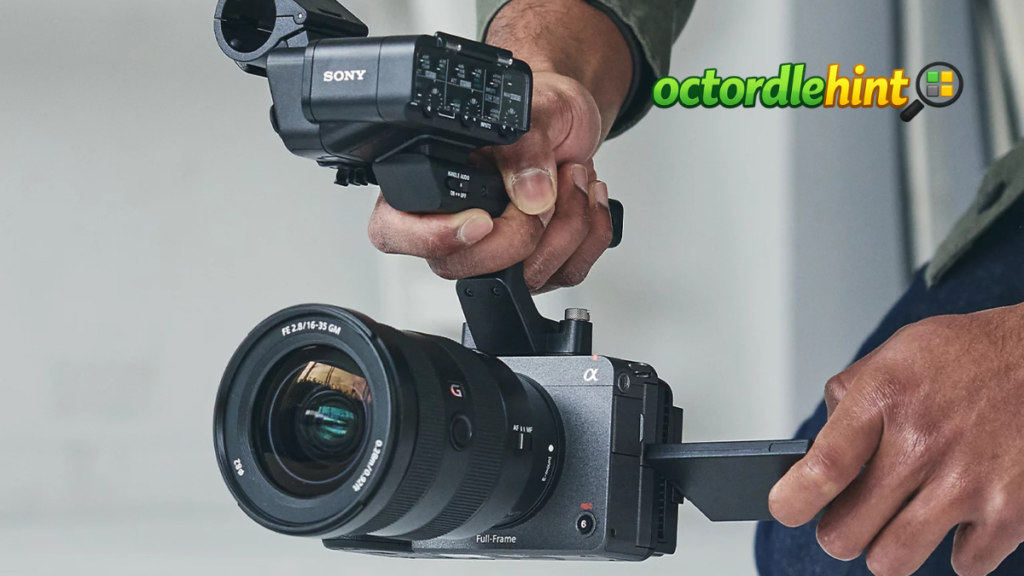
When comparing the Sony FX3 with other cameras, its main competitor is the Sony A7S III. Both cameras share similar sensors and video capabilities, but the FX3 is designed more specifically for cinema-style shooting. While the A7S III is often marketed as a hybrid stills and video camera, the FX3’s focus is almost entirely video-centric, featuring a more robust audio interface, better thermal management for longer recording sessions, and a more compact design suited for gimbals and rig-mounted setups.
Other competitors include the Canon EOS R5 and Panasonic Lumix S5, both of which offer strong video performance but with certain trade-offs. The Canon R5 excels in stills photography, but it faces overheating issues during prolonged 8K recording. The Lumix S5 is affordable and versatile, yet its autofocus and low-light performance do not quite match the FX3. In real-world filmmaking, the FX3’s combination of low-light sensitivity, autofocus accuracy, and video-focused features gives it a distinct advantage, especially for indie filmmakers, vloggers, and documentary creators.
The FX3 also shines in multi-camera setups for live events or cinematic productions. Its lightweight form factor and robust connectivity options make it easier to integrate into rigs, drones, and gimbals, whereas competitors often require additional support equipment. Overall, the FX3 stands out for creators who prioritise video quality, cinematic colour science, and adaptability in dynamic shooting conditions.
Tips and Tricks for Maximising Sony FX3 Performance
Getting the most out of the Sony FX3 requires understanding its optimal settings. For cinematic video, shooting in 4K at 24fps with S-Cinetone offers film-like colours straight out of the camera. For slow-motion effects, 120fps at 4K delivers smooth, high-resolution footage. Adjusting the ISO for low-light shooting while balancing noise reduction can preserve detail without over-processing.
Autofocus can be enhanced by enabling real-time tracking and Eye AF, particularly for subjects in motion. Using manual focus with focus peaking is recommended for controlled cinematic shots, ensuring critical sharpness where needed. Pairing the FX3 with high-quality lenses such as Sony’s G Master series can dramatically improve image clarity and bokeh quality.
Post-production workflow also matters. Shooting in S-Log3 or HLG allows for greater dynamic range during grading. Filmmakers should ensure consistent colour temperature across multiple shots to maintain visual continuity. Audio can be optimised by connecting external microphones via the XLR handle, ensuring professional-grade sound without requiring a separate recorder. Understanding these techniques can elevate the FX3 from a powerful camera to a truly professional filmmaking tool.
Sony FX3 Real-World Use Cases
The Sony FX3 excels in a variety of filmmaking scenarios. Indie filmmakers appreciate its compact size, allowing for handheld, gimbal, or drone-mounted shooting without compromising cinematic quality. YouTubers and content creators benefit from its portability, low-light performance, and high frame rates for dynamic shots. Event videographers find the FX3 reliable for weddings, concerts, or corporate videos, thanks to its long recording times and professional audio inputs.
Documentary filmmakers value the FX3’s adaptability in unpredictable environments. Its autofocus system, lightweight design, and excellent low-light capabilities allow shooting in challenging conditions without missing key moments. The FX3’s robust video codecs and flexible post-production profiles ensure that footage can be edited to meet professional standards without excessive correction, saving both time and effort.
Overall, the FX3 proves to be a versatile powerhouse, suitable for professional cinematography, online content creation, and real-world storytelling. Its balance of portability, technical performance, and video-centric features make it a standout tool for creators across industries.
Conclusion
The Sony FX3 is a remarkable camera that bridges the gap between high-end cinema cameras and portable, versatile filmmaking tools. Its full-frame sensor, cinematic colour science, autofocus precision, and low-light capabilities make it ideal for professionals and serious enthusiasts alike. While it sits in the premium segment, the value it provides in cinematic quality, reliability, and adaptability makes it a worthwhile investment. For filmmakers looking to elevate their video production, the FX3 delivers performance that few competitors can match, making it a true game-changer in modern cinematography.
Frequently asked questions
Is the Sony FX3 good for beginners?
Yes, while aimed at professionals, beginners can use the FX3 for high-quality video with user-friendly auto settings.
Can the Sony FX3 shoot 4K at 120fps?
Yes, the FX3 supports 4K recording up to 120fps for slow-motion and cinematic footage.
How does the Sony FX3 handle low-light situations?
Excellent low-light performance thanks to its back-illuminated full-frame sensor and high ISO range.
What lenses are recommended for the Sony FX3?
Sony G Master series lenses are ideal, but any E-mount lenses offer versatility.
Is the Sony FX3 better than the A7S III?
FX3 is more video-centric with superior audio, compact design, and extended recording features.
Does the Sony FX3 have in-body stabilization?
Yes, it features 5.5 stops of IBIS for smooth handheld footage.
Can the Sony FX3 be used for live streaming?
Yes, with appropriate HDMI capture devices, it supports high-quality live streaming.
How long does the battery last on the Sony FX3?
Typically 1–2 hours of continuous shooting, depending on settings and usage.
What accessories are essential for the Sony FX3?
External microphones, gimbals, high-quality lenses, and cages for rigging.
Is the Sony FX3 worth the price for indie filmmakers?
Absolutely, its portability, cinematic quality, and professional features justify the investment.
Also Read: sony wf-c500