
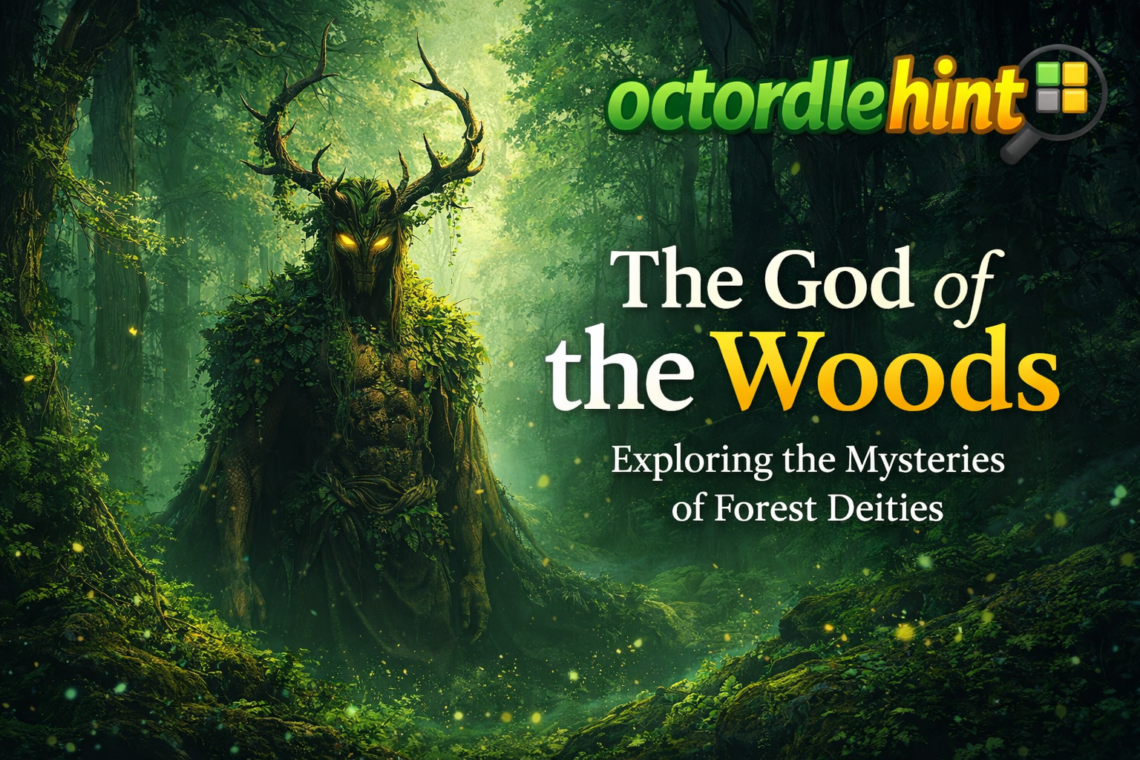
The God of the Woods has fascinated humanity for centuries, embodying the spirit, mystery, and power of the natural world. Forests have long been seen as sacred spaces, home to spirits, creatures, and forces beyond human understanding. Across different cultures, the God of the Woods emerges as a guardian, a provider, and sometimes, a trickster figure—reflecting the unpredictable and awe-inspiring nature of forests themselves. From ancient Europe to the dense forests of Asia, woodland deities have shaped the way humans understand the relationship between nature and the divine.
The concept of a forest god also reveals humanity’s deep reliance on the natural world. Early civilizations depended on wood for shelter, food from forest animals, and medicinal plants. To ensure survival, humans often turned to rituals, prayers, and offerings to gain favour from these mysterious beings. In mythology, these gods are rarely distant—they interact with humans, influence crops, guide hunters, and protect sacred groves. Understanding the God of the Woods allows us to explore the intersection of spirituality, culture, and the natural world.
In modern times, the fascination continues through literature, film, and even environmental movements. The God of the Woods is no longer confined to ancient rituals but lives on as a symbol of respect for nature and a reminder of our enduring connection to forests. This article explores the origins, symbolism, mythology, worship practices, and modern interpretations of the God of the Woods, revealing why this ancient figure remains significant today.
Origins of The God of the Woods
The origins of the God of the Woods are as varied as the forests themselves. In Celtic mythology, Cernunnos, the horned god, symbolizes fertility, animals, and the eternal cycle of life. Similarly, in Greek tradition, Pan—the half-man, half-goat deity—is intimately tied to the wilderness, shepherding, and music, often embodying the untamed and playful aspects of nature. Even in Norse mythology, gods associated with forests, like certain aspects of Odin, illustrate a deep reverence for woodland landscapes and their spiritual significance. These early deities reveal the human desire to personify and interact with nature’s power.
Humans living in close proximity to dense forests often relied on these natural spaces for survival, making the worship of forest gods not just symbolic but practical. Myths were created to explain the cycles of growth, harvest, and predation, with the God of the Woods acting as both protector and enforcer. Across different cultures, forest gods were rarely solitary; they were part of a larger ecosystem of spirits, spirits of animals, rivers, and the earth itself. These gods often symbolized the unknown, representing both danger and opportunity, reflecting humans’ simultaneous fear and admiration of the wilderness.
Interestingly, the earliest references to forest gods often come from oral traditions rather than written records. This suggests that reverence for woodland deities predates structured religion, highlighting their role in everyday life. By connecting humans with the natural world, the God of the Woods served as a bridge between survival, spirituality, and storytelling—laying the foundation for centuries of mythological tradition.
Symbolism and Attributes
The God of the Woods is rich in symbolism, representing life, death, and the cyclical nature of existence. Trees, for instance, are central to forest deity iconography, symbolizing growth, wisdom, and shelter. Animals often accompany these gods, embodying instinct, freedom, and the untamed aspects of nature. Horned figures, deer, wolves, and serpents appear frequently, reflecting both the majesty and mystery of the wild. The attributes of these gods vary across cultures, but they consistently evoke the sacredness of the forest and humanity’s dependence on it.
Seasons and natural cycles are also essential in understanding forest deities. In many myths, the God of the Woods controls fertility, harvests, and the changing of seasons, symbolizing the interconnectedness of all life forms. Offering rituals, prayers, and stories serve as reminders of humans’ relationship with the earth. The god’s dual nature—protective yet capricious—reinforces the unpredictable power of the natural world.
Art and literature often reinforce these attributes. Ancient carvings, paintings, and sculptures depict gods entwined with trees or adorned with animal motifs. These artistic representations serve as both spiritual reminders and cultural markers, illustrating how societies internalised and celebrated the power of forests. Symbolism extends beyond worship—it influences storytelling, morality, and ecological consciousness, reinforcing the enduring relevance of the God of the Woods.
The God of the Woods in Mythology and Folklore
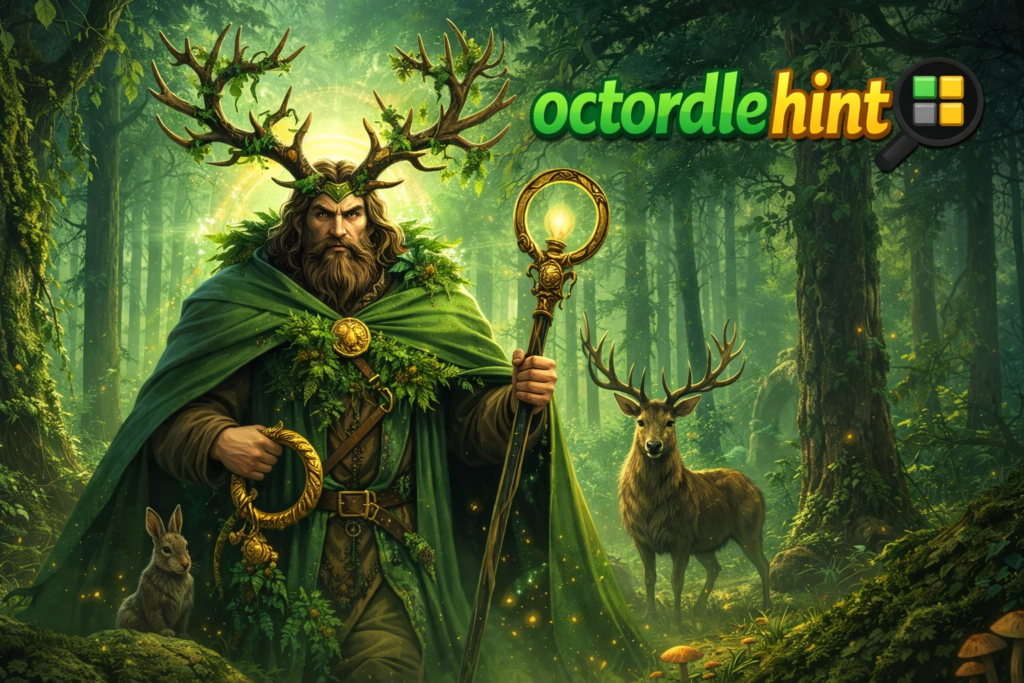
Mythology is where the God of the Woods comes to life, often through tales of adventure, morality, and mystery. In Greek mythology, Pan roams the wilds, guiding shepherds and playing enchanting melodies that inspire fear or delight. In Celtic myths, Cernunnos sits at the centre of a sacred forest, surrounded by animals and vegetation, maintaining balance between humanity and nature. Slavic folklore introduces the Leshy, a forest spirit who protects animals and trees, occasionally tricking humans who stray into his domain. These narratives reflect human interaction with forests and the lessons learned from respecting the wilderness.
Folklore also emphasises the god’s dual nature. Benevolent stories depict guidance, protection, and bounty, while cautionary tales warn against hubris, disrespect, or exploitation of the forest. Such myths often served practical purposes, teaching communities how to live in harmony with the environment. Hunters, farmers, and children alike were reminded through storytelling that the forest is alive and must be treated with reverence.
Over centuries, these myths evolved, blending local beliefs with new cultural influences. Even as societies became more urbanised, the God of the Woods persisted in stories, nursery rhymes, and artistic depictions, highlighting humanity’s enduring fascination with woodland realms. These tales reveal not just reverence but also a deep-seated need to connect with nature through imagination and ritual.
Worship, Rituals, and Cultural Practices
Historical worship of the God of the Woods was often rooted in the sacredness of nature. Ancient humans held ceremonies in groves, offering fruits, flowers, and small animals as tokens of respect. Festivals marked seasonal changes, fertility cycles, and hunts, creating a rhythm between human life and the forest. These practices reinforced community cohesion and instilled reverence for the natural world.
Rituals also varied depending on local geography and cultural beliefs. In Celtic regions, stone circles and carved totems served as focal points, while in Slavic territories, small shrines within forests honoured spirits like the Leshy. Prayers, songs, and dances often accompanied these rituals, embodying gratitude, supplication, or celebration. Interestingly, many practices were designed to educate—teaching children about ecology, survival, and respect for wildlife.
In modern times, neo-pagan and spiritual movements have revived some of these practices. Contemporary adherents may celebrate forest festivals, meditate in sacred groves, or use symbolic representations in their rituals. Such practices reflect a continued human desire to maintain a spiritual bond with the natural world, proving that the God of the Woods is not just a relic of the past but a living symbol of ecological and cultural awareness.
Modern Interpretations and Popular Culture
The God of the Woods continues to inspire modern storytelling, appearing in literature, films, video games, and visual art. Fantasy novels often depict forest deities as protectors of nature, guiding heroes or shaping mystical landscapes. Video games incorporate similar figures as guardians, reflecting society’s ongoing fascination with woodland magic. Movies and series draw on the dual nature of forest gods, portraying them as mysterious, powerful, and sometimes dangerous, resonating with audiences worldwide.
Environmentalism has also contributed to a modern reinterpretation of the God of the Woods. As humans face climate change and deforestation, woodland deities become symbols of preservation and respect for nature. Neo-pagan movements and spiritual practitioners celebrate these deities as guardians of the environment, emphasizing interconnectedness and ecological responsibility.
Through literature, media, and spirituality, the God of the Woods remains culturally relevant. Modern depictions may differ from ancient rituals, but they continue to embody reverence for forests, the cycles of life, and humanity’s desire to connect with the natural world. This ongoing fascination underscores the timeless appeal of woodland deities and their profound symbolism.
Conclusion
The God of the Woods has endured through centuries as a powerful symbol of nature, mystery, and human spirituality. From ancient myths and folklore to modern media and environmental consciousness, this deity embodies the delicate balance between humans and the natural world. Forest gods remind us of our dependence on the environment, the importance of respect and reverence, and the creative power of mythology to shape cultural identity. By understanding the God of the Woods, we gain insight not only into past civilizations but also into our ongoing relationship with the forests that sustain life.
Frequently asked questions
Who is The God of the Woods in mythology?
A deity associated with forests, wildlife, and nature, appearing in myths from Celtic, Greek, Slavic, and other traditions.
What cultures have worshipped forest gods?
Celtic, Greek, Norse, Slavic, and many indigenous cultures have recognized woodland deities.
What are the common symbols associated with The God of the Woods?
Trees, animals, horns, seasons, fertility, and the cycles of life.
Are there any famous myths about The God of the Woods?
Yes—stories of Pan, Cernunnos, and the Leshy are among the most well-known.
How were woodland gods worshipped historically?
Through rituals, offerings, festivals, and ceremonies held in groves or sacred forests.
Does The God of the Woods appear in modern media?
Yes—novels, movies, video games, and art often depict forest deities.
Are there any modern practices inspired by forest deities?
Neo-paganism, environmental rituals, and spiritual meditation in forests continue these traditions.
What lessons can we learn from myths about The God of the Woods?
Respect for nature, balance between humans and the environment, and the enduring power of storytelling.
Also Read: if he had been with me