

The phrase “if he had been with me” evokes a deep sense of nostalgia and emotional reflection. It captures a universal human experience—the feeling of missed opportunities and the lingering “what-ifs” in love. Many people find themselves thinking about the life they could have shared with someone who mattered, wondering whether things could have turned out differently. These thoughts can be both comforting and painful, serving as reminders of the moments that shaped our emotional journeys if he had been with me.
Understanding this emotional landscape is important because it allows us to process regret in a healthy way. When someone enters our lives and leaves unexpectedly, it can feel like a void, making us question our choices, timing, and compatibility. Yet, exploring these feelings can also offer insights into our desires, values, and personal growth. Reflecting on “if he had been with me” is not about dwelling on the past but learning from it. By examining our emotions, we gain a clearer sense of what we truly need in relationships and how to approach love in the future with more self-awareness.
This article delves into the emotional impact of thinking “if he had been with me,” signs he truly cared, lessons from the experience, and ways to turn heartache into empowerment. By the end, you’ll have a better understanding of your emotions, practical strategies to move forward, and a perspective that transforms regret into growth.
The Emotional Impact of “If He Had Been With Me”
Understanding Regret in Relationships
Regret is a powerful emotion that often surfaces when reflecting on what could have been. In romantic contexts, it typically arises when a relationship ends prematurely or when someone leaves before the bond fully develops. The phrase “if he had been with me” embodies this regret, capturing the longing for a connection that never reached its potential. Emotional regret can feel heavy, sometimes leading to sleepless nights, recurring memories, or overanalysis of every interaction.
What makes romantic regret particularly intense is the combination of attachment and imagination. While our minds hold onto the love we felt, they also create alternate scenarios in which everything went differently. These imagined “what-if” scenarios can intensify feelings of loss, making it harder to move on. Recognising that this is a natural emotional response is the first step toward processing it. Understanding regret also allows us to examine the reasons behind lost opportunities—timing, external circumstances, or personal readiness—without placing undue blame on ourselves or others.
By acknowledging these feelings, we create space for reflection instead of self-criticism. Rather than suppressing regret, exploring it mindfully can offer valuable lessons about our emotional needs, priorities, and expectations in relationships.
Coping with the Pain of What-Ifs
Coping with the pain of “what-ifs” requires a delicate balance between acceptance and action. First, it’s important to acknowledge your feelings rather than dismiss them. Suppression may provide temporary relief but can prolong emotional distress. Journaling, speaking with trusted friends, or reflecting quietly can help articulate thoughts that feel overwhelming if he had been with me.
Next, focus on understanding the factors that contributed to the missed opportunity. Did timing, circumstances, or personal growth play a role? Recognising these elements helps shift the perspective from self-blame to understanding. This approach allows for emotional healing while retaining valuable insights for future relationships if he had been with me.
Mindfulness techniques can also help manage intrusive thoughts about what could have been. Practices like meditation or breathing exercises encourage presence and reduce rumination. Over time, these strategies cultivate resilience, transforming regret from a source of pain into a catalyst for self-awareness and growth if he had been with me.
Real-Life Stories and Experiences
Many people have experienced the bittersweet reality of reflecting on lost love. Imagine a scenario where two people meet during college but pursue different career paths. Years later, one wonders, “If he had been with me, how different would my life be?” These reflections are natural and relatable, illustrating how common this experience is across cultures and ages.
Stories shared on social media, personal blogs, or even fictional novels often highlight the universality of this emotion. While each situation is unique, the underlying theme remains consistent: the longing for what might have been. Understanding that others share these feelings normalizes the experience and reduces the sense of isolation often associated with romantic regret if he had been with me.
Signs He Truly Cared but Didn’t Stay
Emotional Availability and Mixed Signals
One of the most confusing aspects of relationships is interpreting someone’s feelings. He may have shown care through attention, support, or affection, yet ultimately left. Mixed signals—moments of closeness followed by distance—can create emotional turbulence. Understanding these patterns helps distinguish genuine affection from temporary attachment.
Recognising his care involves reflecting on consistent actions rather than isolated gestures. Did he make an effort to be present during difficult times? Did he communicate openly? These signs indicate emotional investment, even if circumstances prevented a lasting relationship if he had been with me.
Timing and Life Circumstances
Sometimes, love doesn’t endure due to external factors rather than lack of feeling. Career moves, family obligations, or personal growth trajectories can interfere with compatibility. Recognising that timing can dictate relational outcomes prevents unnecessary self-blame if he had been with me.
Life circumstances often play a silent yet powerful role in relationships. Reflecting on these factors with empathy allows you to see that some connections, no matter how strong, may not survive situational challenges.
Recognizing Love vs. Infatuation
Distinguishing love from infatuation is essential for understanding why a relationship ended. Love involves deep connection, mutual respect, and shared values, whereas infatuation is often driven by attraction or temporary excitement. Evaluating the relationship critically can clarify whether the emotional attachment was genuine or idealised.
This reflection helps in making peace with the past, acknowledging both the positive experiences and the reasons for parting ways. It encourages emotional clarity and prepares you for healthier future relationships.
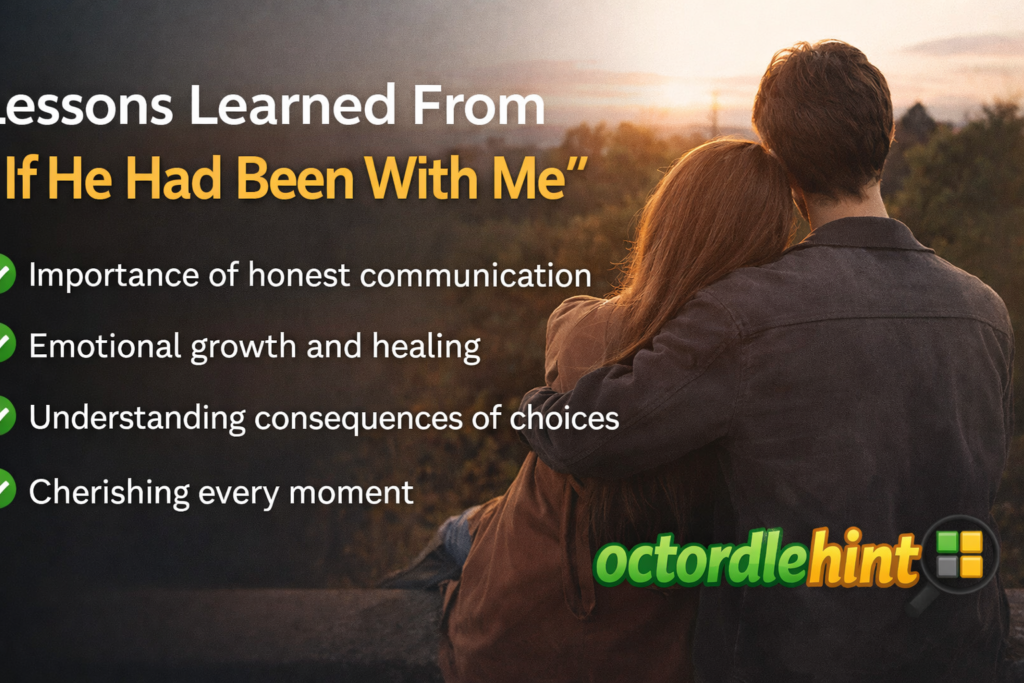
Lessons Learned From “If He Had Been With Me”
Self-Reflection and Personal Growth
if he had been with me Reflecting on missed relationships fosters personal growth. By examining what went well and what didn’t, you gain insights into your emotional needs, communication patterns, and relationship expectations. Self-reflection can reveal patterns that may repeat in future relationships, offering an opportunity for conscious change.
Journaling, therapy, or thoughtful discussion can deepen this understanding. Growth comes from seeing past relationships as learning experiences rather than failures.
Moving On Without Regret
Letting go of “what-ifs” is essential for emotional freedom. Techniques like mindfulness, gratitude for positive experiences, and setting clear personal goals can reduce the grip of past regret. Moving on doesn’t mean forgetting; it means accepting the past while focusing on the present and future.
Building Healthier Future Relationships
Learning from past experiences strengthens future connections. Understanding your own needs helps in choosing compatible partners, communicating effectively, and avoiding repeated mistakes. Recognising patterns from prior relationships equips you to foster healthier, more fulfilling partnerships.
Turning Heartache Into Empowerment
Creative Outlets and Expression
Channeling emotional pain into creative expression can be therapeutic. Writing, art, or music allows emotional processing and self-expression. These outlets transform regret and heartache into constructive energy, often producing something meaningful and lasting.
Support Systems and Community
Lean on supportive friends, family, or groups. Sharing feelings reduces isolation, provides perspective, and accelerates healing. In some cases, professional support may be beneficial, offering structured guidance for managing lingering emotional distress.
Embracing Life Beyond What-Ifs
Finally, focusing on the present and future is crucial. Set personal goals, explore new experiences, and build connections that align with your growth. Life is dynamic, and embracing opportunities beyond past regrets fosters resilience and joy.
Conclusion
Thinking “if he had been with me” is a natural reflection on love, timing, and missed opportunities. While the emotion can be painful, it offers a chance for self-discovery, growth, and understanding. By examining past relationships, recognising genuine care, and learning from experiences, we can transform regret into empowerment. Embracing the present and focusing on future possibilities allows us to heal, grow, and cultivate healthier, more fulfilling relationships.
Frequently asked questions
What does “if he had been with me” really mean in a relationship context?
It reflects regret or longing over a relationship that didn’t fully develop or last.
How can I stop obsessing over someone who didn’t stay in my life?
Practise mindfulness, focus on personal growth, and seek emotional support.
Is it normal to feel regret over a lost romantic opportunity?
Yes, regret is a natural response to missed emotional connections.
Can reflecting on “what-ifs” help me grow emotionally?
Absolutely; it provides insights into your needs, values, and patterns in relationships.
How do I know if he truly cared or if I’m overthinking?
Evaluate consistent actions, communication, and emotional investment rather than isolated moments.
What are the best ways to move on from past romantic regrets?
Focus on self-reflection, creative outlets, support systems, and future opportunities.
Can thinking about past relationships impact my current or future love life?
It can, positively or negatively, depending on whether you process and learn from the experiences.
Also Read: octordlehint
